Pakistan has turned access to Trump’s circle into hotel, minerals and diplomatic opportunities.
Pakistan’s High-Stakes Trump Bet
The Roosevelt Hotel once welcomed movie stars and wealthy travellers to Midtown Manhattan. Today, its doors are closed. Yet the aging building has become a clear symbol of Pakistan-Trump relations: valuable, unusual and built on personal access. The stakes extend beyond Manhattan.
Pakistan owns the century-old hotel through its state airline. New York City used it as a major migrant arrival center from 2023 until June 2025. Islamabad later sought a valuation of at least $1 billion. In February 2026, Pakistan and the U.S. General Services Administration signed a memorandum to study its operation, renovation and redevelopment. Trump envoy Steve Witkoff helped steer the agreement.
A relationship rebuilt through praise
The hotel deal was not an isolated event. It followed a rapid reset in U.S.-Pakistan relations after four days of fighting between India and Pakistan in May 2025. Trump said American pressure and trade leverage helped end the clash. India rejected the claim of outside mediation. Pakistan embraced it and later recommended Trump for the 2026 Nobel Peace Prize.
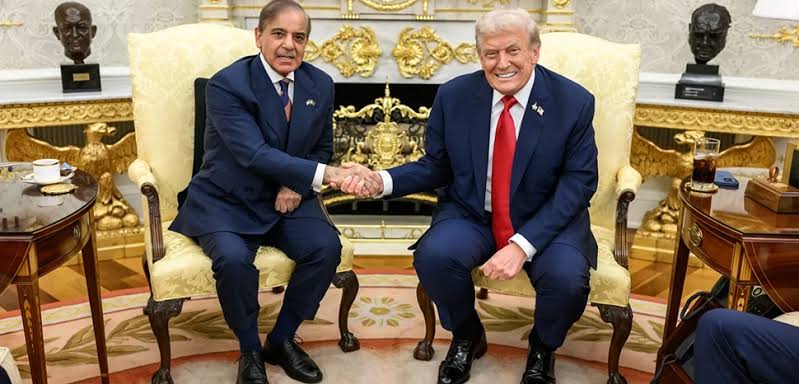
Trump also hosted Pakistan’s army chief, Field Marshal Asim Munir, for a rare White House lunch. The choice mattered. It was a striking departure. The guest was not Pakistan’s elected head of government. Trump reached directly for a figure now widely seen as one of the country’s strongest centers of power.
For Islamabad, that access created opportunity. Pakistani state bodies signed agreements with U.S. companies to develop critical minerals. The Pakistan Crypto Council also reached a letter of intent with World Liberty Financial, the crypto venture linked to the Trump family and Witkoff’s son. These deals may bring investment, but they also raise basic questions about transparency, private interests and public policy.
Pakistan’s moment as a mediator
Pakistan then used its improved Washington ties for a larger diplomatic goal. Because it also shares a border and deep cultural links with Iran, Islamabad emerged as a channel between Tehran and the Trump administration during the 2026 conflict. Pakistan helped secure a temporary ceasefire and hosted senior U.S. and Iranian delegations for talks in April.
That was a striking achievement. Direct contact had been rare, and mistrust was deep. But the talks ended without a full agreement. The ceasefire later broke down, showing both the value and the limits of Pakistan’s influence.
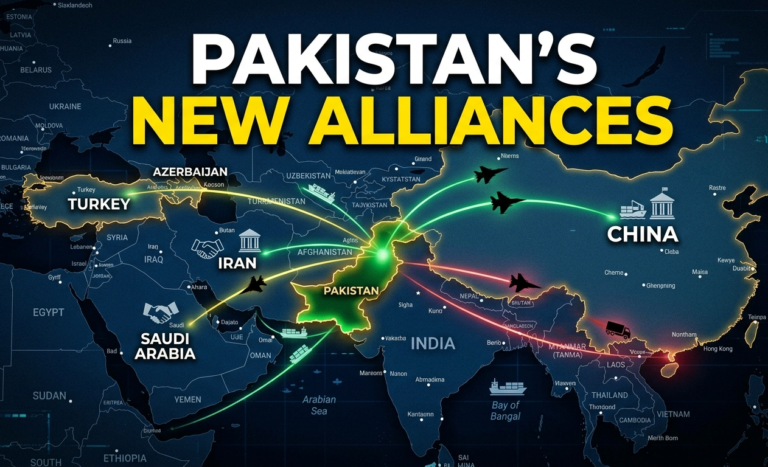
The economic logic is easy to see. Pakistan remains under a multibillion-dollar IMF program and needs foreign capital, energy security and stronger exports. Better ties with Washington can support those goals. They can also help Islamabad balance its long partnership with China rather than replace it.
The test is whether ordinary Pakistanis benefit. New investment must create jobs and reliable power, while foreign policy should strengthen elected government rather than deepen the military’s already dominant political role.
A real opening, but a fragile one
Pakistan has gained attention by offering Trump what he values: praise, visible deals and fast access to powerful decision-makers. Yet diplomacy based on personalities can change without warning. For India, personal warmth with Trump did not guarantee lasting favor.
Pakistan’s opening is real, but turning it into durable power will require more than White House meetings. It will need transparent contracts, civilian institutions, economic reform and balanced ties across Washington, Beijing, Tehran and the Gulf. Without that foundation, today’s diplomatic rise could become tomorrow’s brief photo opportunity.
About The Author